Tips

how to retrieve broken egg shells

As someone who manages to drop an average of one to two egg shell pieces in each baked good batter, I’ve discovered a trick: The easiest way to fish them out is not with a cooking utensil or, heaven forbid, your finger but with another egg shell. I don’t know how or why it works better, so I just chalk it up to magic.

Tips

please, use a scale when you cook.

I try to include weights for ingredients for almost every recipe on Smitten Kitchen, and I can’t recommend using them enough. [Btw, if you see one that’s missing weights, give me a shout and I’ll add them.] I’m a big fan of weighing ingredients for two reasons:

Accuracy: Do you realize that, depending on how you measure a cup of flour, it can weigh anything from 120 to 190 grams? The difference between the outcomes these amounts of flour will impart in a cake, cookie, or bread dough is staggering. Weights will never do this to you. But beyond accuracy, there are ingredients that actually hurt my brain to measure in cups because you will never get the same weight twice. At the top of this list is almond flour (which you can press and pack to almost double the volume in a cup), followed by flaked coconut, oats, nuts, and [actually cringing while writing this] chunks of fruits or vegetables.

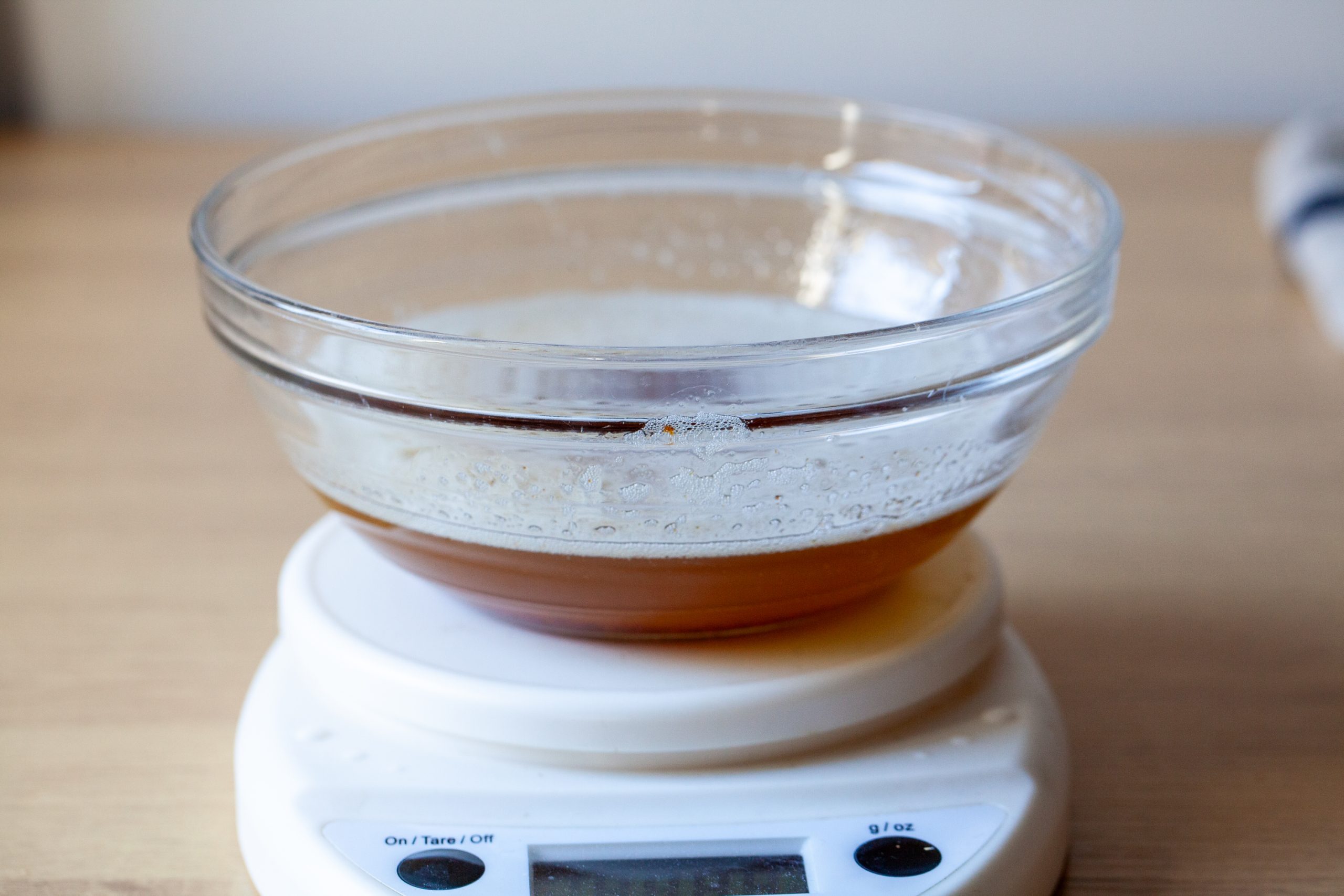
Ease: An inexpensive scale will last you years and years and — this is key! — give you far fewer dishes to do. You simply add the first ingredient to your bowl until you hit the weight you’re looking for, tare it out (i.e. zero the scale), then the second, then the third. And you will never again have to do something I find maddening — measuring things like mayonnaise, peanut butter, or honey in measuring cups (all of that shoving ingredients into a small space just to scrape them out again). Weigh your peanut butter and you’ll never look back, promise.

Shoutout to measuring spoons, however, for very tiny amounts: Do I have a gram scale, i.e. a scale that’s highly accurate in small amounts and often is made by brands like “G Dealer” suggesting that maybe it’s not marketed for cream of tartar precision? Yes, I do, but I’m a pedant and a person who develops recipes for a living, so it makes sense for me. But for a half-teaspoon of cinnamon? A quarter-teaspoon of baking soda? It’s going to be fussier to try to get a read on a 10-pound scale than it is to just scoop and level it. [I love these measuring spoons, btw, as they fit in small spaces. Mine are in perfect condition after nearly a decade of use.]
Tips

how to make your own breadcrumbs

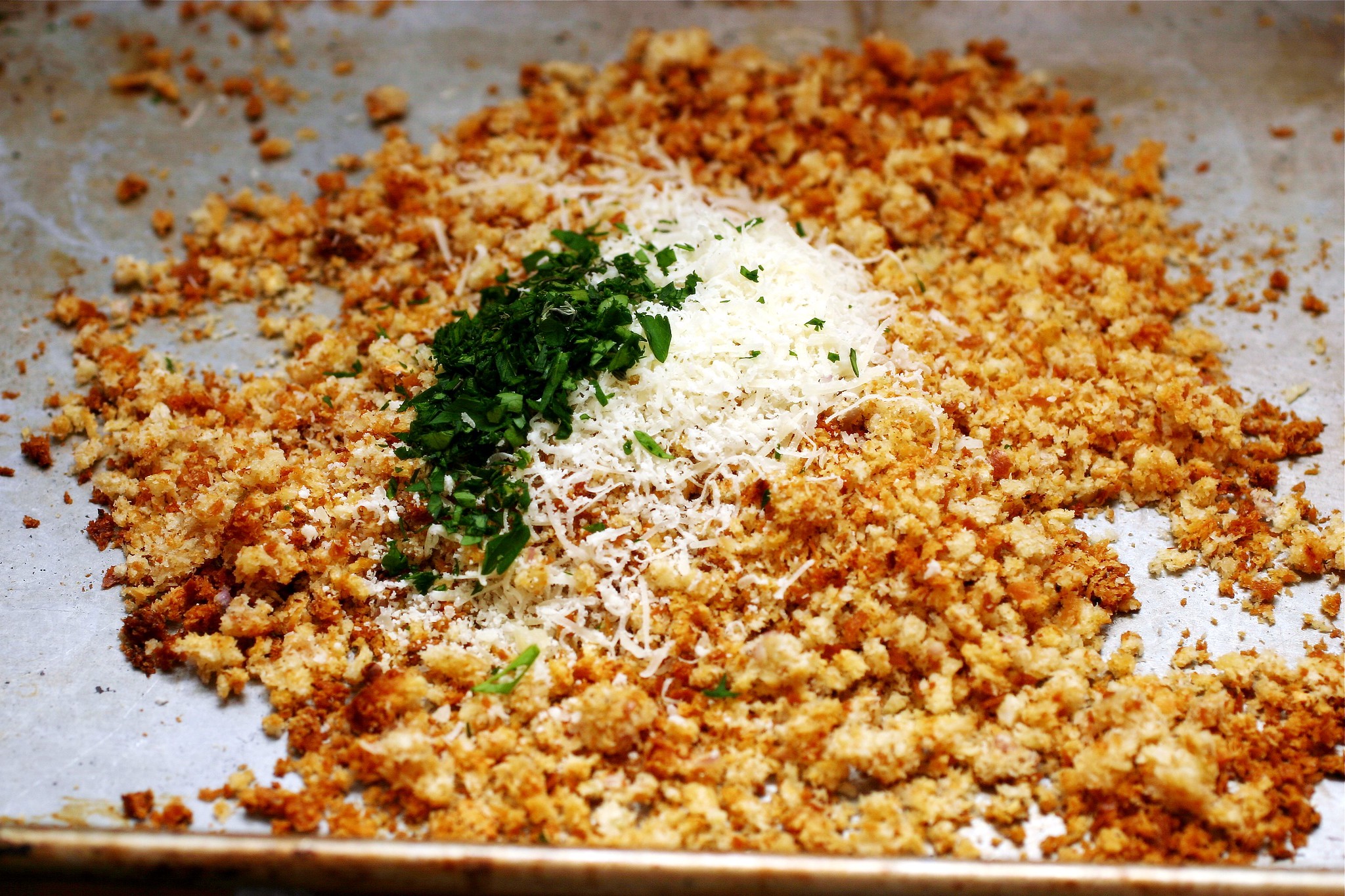
May I implore you, nay, beg you to forgo store-bought breadcrumbs and make your own? It is too simple not to. Take any bread at all — I mean your favorite kind, rolls the pizza place sent you with your salad, the crusts off your kid’s sandwich — leave it out overnight and pulse it in the food processor the next morning: instant breadcrumbs that will put that sawdust in a can to shame! In a rush? Fresh bread grinds up well, too, whether or not you toast it first. Planning ahead? Make a lot and keep it in the freezer. Breadcrumbs, at the ready!

Tips

storing carrots

Do your carrots get soft and bendy in the fridge? Mine always have, and it drove me bonkers until I realized (yesterday, actually) that they were drying out. To store them so they’ll last longer, remove their green tops, rinse and drain them before storing in a plastic bag in the coldest and most humid part of the fridge. Firm up limp carrots by cutting off one end and sticking them in ice water, cut side down.

Recipe

melon agua fresca

I have a confession to make: this heat is kicking my butt. I know how earth-shattering this must sound: A 35-week pregnant woman is being done in by a streak of 95-degree muggy days in a city that requires walking, stair-climbing and waiting endlessly for trains on airless, timeless subway platforms? You don’t say!

Read more »

Tips

cleaning citrus fruits

To prolong their lifespan, most citrus fruits are coated in a light wax. And while this is no big deal if you just want to use the juice in a recipe, for a zest- or peel-centric recipe, you’re best off lightly scrubbing it first under warm water.

Tips

egg volumes

You know when recipes indicate a specific size of egg? They’re not just trying to mess with you. In fact, 1 cup of eggs can be made with 4 jumbo, 4 to 5 extra-large, 5 large, 5 to 6 medium or 7 small eggs, so it is good not to use the sizes interchangeably. The good news is that large eggs are fairly standard in U.S. recipes, thus they’re your best bet to keep around if you don’t wish to buy multiple sizes.

Tips

make your own self-rising flour

Who besides me is crazy enough to keep self-rising flour in the pantry? Honestly, there’s no need to since you can make your own at home. For each cup of flour, add 1 1/2 teaspoons baking powder and a 1/2 teaspoon salt; mix extra and store it in an airtight container for months. Now go forth and bake some 1-2-3-4 cake!

Tips

parchment versus waxed paper

Is there any difference between parchment and waxed paper? Briefly, yes: Parchment has been coated with silicon so it can be used at high temperatures and virtually eliminates the need for greasing a pan. Waxed paper will smoke at high temperatures — and the wax will come off in your food — and is therefore less versatile. I do not recommend swapping the two when lining a cake or roasting pan.